



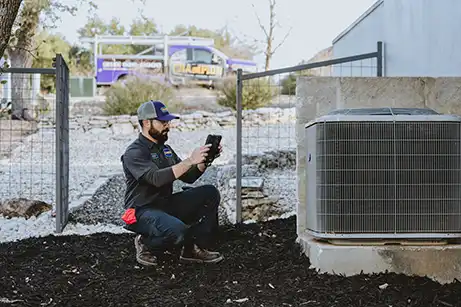
Need AC maintenance in Austin that’s more than a quick “look‑over”? Champion Cooling, Heating & Plumbing Austin provides detailed air conditioner maintenance in Austin designed for Central Texas heat, humidity, and long run times. Our goal is to improve reliability and efficiency before the hottest weeks arrive—so you stay comfortable and avoid emergency repairs.
Since 2007, homeowners across Austin, Pflugerville, and Round Rock have trusted our licensed technicians for AC tune‑ups and ongoing Austin HVAC maintenance for central AC, heat pumps, and ductless systems. If you’re comparing options for HVAC maintenance Austin homeowners rely on, you’ll want clear scope, transparent specials, and technicians who can maintain the full system—not just one component.
If you searched “AC tune up,” “HVAC tune up Austin,” “air conditioning maintenance Austin,” or “AC tune up near me,” this page explains exactly what we do, how often to schedule it, and how to use specials or membership options to keep maintenance affordable.
Schedule Your AC Tune-Up or call (512) 575-4377 (24/7 live answering)

Why regular air conditioning maintenance matters in Austin
Your AC can keep running while slowly losing performance. That slide often comes from predictable causes: filters restrict airflow, coils get coated with debris, electrical connections loosen, and condensate drains clog—especially during humid weather. The U.S. Department of Energy explains that regular maintenance of filters, coils, fins, and refrigerant lines is essential for efficient performance, and that neglect leads to declining performance and higher energy use.
Maintenance is also a “prevention strategy.” When we catch small issues early—like weak electrical components, early drain slowdowns, or airflow restrictions—you can usually address them before they become the kind of breakdown that happens on the first truly hot weekend.
When to schedule AC maintenance and HVAC maintenance
For most homes, the best time for an AC tune‑up is spring, before peak cooling demand. ENERGY STAR recommends annual pre‑season check‑ups and notes it’s best to check the cooling system in spring and the heating system in fall (when contractors are less slammed).
Want full HVAC maintenance (cooling and heating readiness)? A “twice‑a‑year” cadence—spring and fall—is the simplest way to support comfort, efficiency, and safety across seasons.
What’s included in our AC tune‑up and air conditioning maintenance visit
We also refer to this service as AC maintenance Austin and A/C maintenance—and if you’re searching “air conditioner maintenance Austin” or “ac maintenance austin,” this is the whole‑system visit you’re looking for.
Every system is a little different, but our process stays consistent: we focus on airflow, coil cleanliness, electrical reliability, refrigerant performance, and drainage—because those are the areas that most often drive comfort complaints and breakdowns in Austin.
Airflow, comfort, and thermostat verification
We confirm your thermostat is operating correctly and check the system’s cycling behavior. We also evaluate airflow fundamentals and common “comfort clues” (hot rooms, weak vents, or long run times). ENERGY STAR’s checklist emphasizes thermostat checks and proper airflow, noting airflow problems can reduce efficiency by up to 15%.
Coil inspection and cleaning for better heat transfer
Coils are the heat‑exchange surfaces that make cooling possible. DOE notes that even with a clean filter, the indoor evaporator coil can still collect dirt over time, and outdoor condenser coils can get very dirty—especially in dusty conditions or when foliage is nearby. We inspect coil condition and clean accessible surfaces so your system doesn’t have to run longer than necessary to do the same job.
Electrical connections, controls, and safety checks
Loose electrical connections and worn controls can cause unreliable operation. ENERGY STAR lists tightening electrical connections (and measuring voltage/current on motors) as part of a typical maintenance check‑up. We also inspect operating controls and the starting cycle so your system starts, runs, and shuts down safely.
Refrigerant and performance testing
When refrigerant performance is off, the system can’t cool efficiently and may suffer long‑term wear. DOE includes checking refrigerant charge and testing for leaks as contractor tasks, and we measure operating conditions and look for signs of leakage or abnormal performance.
Why certification matters: EPA regulations under Section 608 require technicians who maintain, service, repair, or dispose of equipment that could release refrigerants to be certified. That protects you, your home, and the environment.
Condensate drain and humidity risk reduction
Drain clogs can create shutdowns, water damage, or higher indoor humidity. DOE warns that clogged drains can prevent proper removal of condensed water and may lead to overflow. We inspect the condensate path and address early blockage signs to reduce risk.
Ductwork and attic factors that affect comfort
Sometimes the equipment is fine, but the home doesn’t feel fine—because ductwork or attic conditions are sabotaging performance. ENERGY STAR notes leaky ducts can reduce heating and cooling efficiency by as much as 20%, and DOE adds that ducts leaking into unheated spaces can add hundreds of dollars per year to heating and cooling bills. During maintenance we look for obvious duct and attic red flags (like disconnected runs, crushed flex duct, or insulation gaps) and explain practical next steps if we find them. If the symptoms point to deeper duct leakage or a balancing problem, we’ll recommend the right next diagnostic step instead of guessing—because comfort problems are often “system problems,” not just equipment problems.
Boost performance with an AC rebuild kit
If your outdoor unit is aging or struggling, an AC rebuild kit may be a cost‑effective middle option between “do nothing” and full replacement. When appropriate, we can disassemble, clean, and rebuild key outdoor components to restore smoother operation and improve performance—often extending system life.
AC tune‑up specials, and “$69 tune‑up” transparency
When you search for “AC tune up specials near me,” “air conditioning tune up specials near me,” or even “$69 AC tune up,” you’re really asking: what’s included, and will I be surprised by extra charges? Specials can be a great value—if the scope and restrictions are clear—so you can get affordable AC maintenance without sacrificing quality.
Champion posts current coupons and seasonal specials on our Specials page, including offer details and restrictions (for example, one‑time use, limits, or not combinable). Because promotions change, use the coupons page as the source of truth and reference the offer during scheduling.
See Current HVAC Specials & Coupons
Shield Membership for year‑round HVAC maintenance
If you want ongoing HVAC maintenance without having to remember appointments, Shield Membership is built around the seasonal tune‑up rhythm and adds priority benefits for when repairs happen. Published pricing is $14.95/month or $179/year prepaid.
Benefits listed include 48‑hour priority service, two annual precision HVAC tune‑ups, 20% off HVAC repairs, and a waived $89 diagnostic/dispatch fee. That combination is ideal for homeowners who value predictable budgeting and faster service during peak heat.
View Shield Membership Details
Do you need an AC tune‑up or AC repair?
Maintenance is best when your system is running but you want it running better—steadier temperatures, smoother airflow, and fewer surprises. Repair is more appropriate when something is actively failing.
If you’re seeing warm air, repeated tripped breakers, ice on the indoor coil, leaking water, burning smells, or short‑cycling, book a diagnostic instead of (or in addition to) a tune‑up. If you’re unsure, tell us what you’re noticing when you schedule and we’ll help route you.
AC maintenance Austin homeowners can book near you
If you’re searching “air conditioner maintenance near me” or “HVAC tune up near me,” you’re likely trying to confirm that help is nearby—and that scheduling won’t be a hassle. Champion is based in Austin at 1106 Smith Rd, Suite 102, Austin, TX 78721 and serves Austin and nearby communities including Pflugerville, Round Rock, Cedar Park, Leander, Lakeway, Buda, Kyle, Manor, and more.
View Our Full Service Area List
Book Online | Call (512) 575-4377
FAQ: Austin AC maintenance, tune‑ups, and HVAC maintenance
How often should I schedule AC maintenance in Austin?
Most homes benefit from a spring tune‑up before peak cooling season. For full HVAC maintenance, add a fall visit for heating readiness and safety checks. ENERGY STAR recommends annual pre‑season check‑ups and suggests spring/fall timing.
What is included in an air conditioner tune up?
A professional tune‑up includes thermostat checks, coil cleaning, electrical inspection, condensate drain inspection, and refrigerant performance verification. ENERGY STAR’s checklist also includes tightening electrical connections and measuring motor voltage/current, and cleaning evaporator and condenser coils.
How much does an AC tune‑up cost?
Pricing depends on system type, age, accessibility (attic layout matters), and whether you’re using a seasonal coupon. The most accurate way to confirm today’s pricing is to check current offers on our coupons page or call and ask about current specials.
Is an HVAC tune‑up worth it?
Usually, yes. DOE notes that neglecting maintenance causes performance decline and increased energy use, and that maintaining filters, coils, fins, and refrigerant lines supports efficient operation.
How do AC tune‑up specials work?
Specials are published on our coupons page and may include restrictions (limits, one‑time use, not combinable). Because offers change, use the coupons page as the source of truth and mention the coupon during scheduling.
What is the “$5,000 rule” for AC repair vs. replacement?
The “$5,000 rule” is an informal rule of thumb: system age × repair cost. If the number is above $5,000, some homeowners lean toward replacement. It’s not a requirement—comfort, efficiency, refrigerant type, and repair history can matter more than a single formula.
Are your technicians licensed and refrigerant‑certified?
Champion lists HVAC License TACLA00053541E and Plumbing License M39722. For refrigerant work, EPA Section 608 requires technician certification for anyone servicing equipment that could release refrigerants.
Do you check carbon monoxide safety during HVAC maintenance?
For homes with fuel‑burning equipment, safety checks matter. EPA guidance recommends that a trained professional inspect, clean, and tune‑up central heating systems annually and urges annual professional inspection of fuel‑burning appliances to detect carbon monoxide leaks.