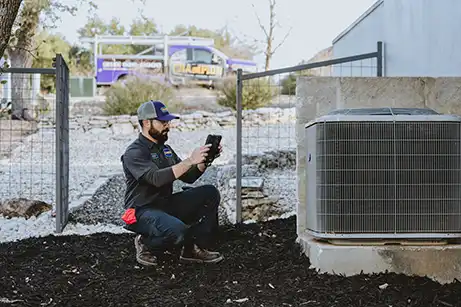

Your air conditioner works hard in Austin. From April through October, it runs for hours every day just to keep your home livable. And at the center of all that cooling work sits one critical component: the compressor. When you have a failing air compressor in Austin, your entire system suffers. Knowing what to watch for can save you from an expensive emergency.
What Does the Compressor Actually Do?
The compressor is the heart of your AC system. It pressurizes the refrigerant and circulates it between the indoor and outdoor units, which is what allows heat to be removed from your home and released outside. Without a functioning compressor, your system cannot cool. It sits inside the outdoor unit and runs every time your AC is in a cooling cycle, meaning in a Texas summer, it is working almost constantly.
Because it handles so much mechanical stress, the compressor is also one of the most expensive components to replace. Catching problems early gives you more options and more time to make a smart decision.
Common Signs Your Compressor Is Struggling
The AC is blowing warm or only slightly cool air. This is often the first thing homeowners notice. If your system is running but the air from your vents is not cold, the compressor may not be building enough pressure to move refrigerant properly. There are other causes for this symptom, but the compressor should be on the short list.
You hear unusual noises coming from the outdoor unit. A healthy compressor runs with a steady, relatively quiet hum. If you start hearing clanking, rattling, screeching, or a hard clicking when the unit tries to start, those sounds often point to internal compressor damage or a failing start capacitor. A banging or grinding noise in particular is a signal to shut the system off and call a technician before more damage occurs.
The outdoor unit vibrates or shakes when starting up. This is sometimes called a hard start. If the compressor struggles to turn on and the whole unit shudders, it usually means the motor windings are weakened or the capacitor that gives the compressor its startup boost is failing. A hard start kit or capacitor replacement can sometimes address this, but only a technician can diagnose the actual cause.
Circuit breakers are tripping repeatedly. A failing compressor draws more electricity than it should. If your AC is causing the breaker to trip regularly, the compressor is a likely culprit. Do not keep resetting the breaker and running the system. This is a sign something is wrong electrically, and continuing to push the system can create a safety hazard.
Your energy bills have climbed without a clear reason. A struggling compressor runs longer and draws more power to achieve the same result. If your electricity bills have gone up but your usage habits have not changed, reduced compressor efficiency may be contributing.
Here is a quick summary of the warning signs to watch for:
- Warm or only slightly cool air coming from vents
- Unusual noises like clanking, screeching, or grinding from the outdoor unit
- Hard starts and visible shaking or vibration
- Repeated tripped circuit breakers tied to the AC
- Unexplained increases in your monthly energy bills
What Causes Compressors to Fail?
Understanding why compressors fail helps you avoid the problem or at least slow it down. The most common causes include:
- Refrigerant leaks that cause the compressor to run with insufficient refrigerant, leading to overheating and wear
- Dirty coils that force the system to work harder and build up excess heat around the compressor
- Electrical issues including power surges, faulty wiring, and capacitor failures that damage the motor over time
- Lack of routine maintenance, which allows small problems to compound until a major component gives out
- Age, since most compressors last 10 to 15 years and Austin systems wear faster due to extended run times
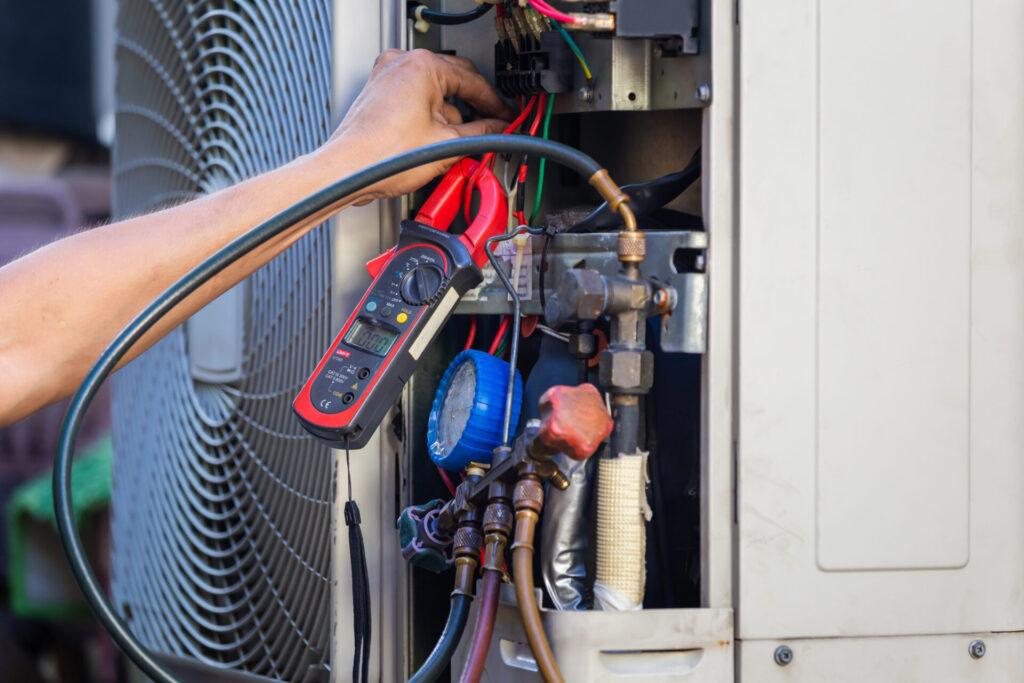
Many of these issues are preventable or at least detectable early. A professional AC tune-up includes checking refrigerant levels, inspecting coils, testing electrical components, and looking for early warning signs that a compressor is under stress. Champion’s Shield Membership covers two tune-ups per year, which is the cadence most Austin homes need given how long the cooling season runs.
Repair or Replace: How to Make the Call
If a technician confirms your compressor is failing, you will face a decision. Compressor replacements are expensive, often ranging from $1,500 to $2,500 or more depending on the system. For a newer unit still under manufacturer warranty, replacing the compressor makes sense. For a system that is 10 years old or older, the math often favors replacing the whole unit. Putting a new compressor in an aging system means you are still running with old coils, old electrical components, and an older refrigerant type, and another large repair may follow within a few years.
When issues arise before you reach the replacement decision, Champion technicians can repair compressors, blower motors, leaky AC drains, clogged filters, and other common AC problems to extend the life of your system and restore comfort quickly.
A good technician will walk you through both options honestly. At Champion, the approach is straightforward: explain what is wrong, lay out the options with real pricing, and let the homeowner decide. The goal is to give you the information you need to make a confident choice.

Do Not Wait on This One
Compressor problems rarely resolve on their own. A system showing signs of compressor stress will keep declining, and a complete failure in August means no AC until a replacement is sourced and installed. If your system is showing any of the symptoms above, schedule a diagnostic visit before the problem becomes an emergency.
Champion Cooling, Heating and Plumbing has been serving Austin homeowners since 2007. If you are hearing strange noises, noticing warm air, or just feel like something is off, give us a call at (512) 575-4377. We offer 24/7 live answering and same-day scheduling when availability allows. A quick inspection now is far less expensive than an emergency replacement in the middle of a Texas summer.