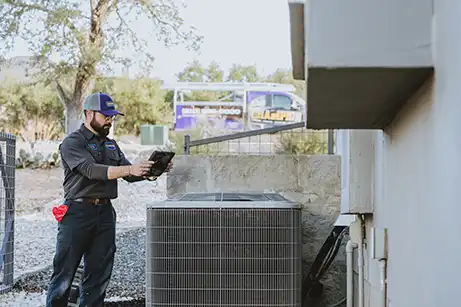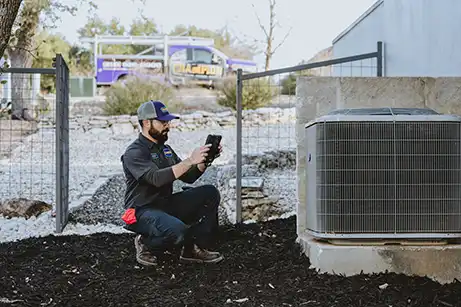

A heater tune-up in Austin is a chance to check how your system starts, heats, and shuts down before you depend on it through a cold front. But the right maintenance visit depends on what heats your home. A gas furnace and a heat pump need different checks, even when both send warm air through the same kind of vents.
This guide explains when to schedule service, what to ask your technician, and how to decide whether you need routine maintenance or a repair. For broader seasonal projects, see our Austin fall home preparation checklist.
When Should You Schedule a Heater Tune-Up in Austin?
Schedule heating maintenance in the fall, before you regularly need heat. A warm afternoon is still a good time to book: it gives you time to review any findings and arrange repairs before colder weather arrives. If you missed that window, a checkup can still be useful during heating season.
ENERGY STAR recommends annual preseason heating checkups. Follow your equipment manufacturer’s maintenance requirements, too. Keep service records with your system information so you can see what was checked and when.
Furnace or Heat Pump? Why the Difference Matters
Gas furnace maintenance focuses on combustion and airflow
A gas furnace creates heat by burning fuel. A technician should evaluate the ignition process, burners, venting, heat exchanger, and safety controls as appropriate for the equipment. Electrical connections and the blower also matter: producing heat is only part of the job; the system must move it through your home.
Ask what the inspection covers and whether any additional testing or cleaning costs extra. Do not remove burner panels or adjust gas components yourself. Our furnace services page explains more about getting professional help.
Heat pump maintenance checks the change from cooling to heating
A heat pump moves heat rather than creating it through gas combustion. Since it also cools your home, the equipment may have worked through the summer before switching into heating mode. A fall visit should address heating operation, airflow, coils, electrical components, and the controls that manage heating and defrost. The technician can also evaluate auxiliary heat if your system has it.
Tell the technician if the outdoor unit is unusually noisy, heating feels different from last year, or auxiliary heat seems to run frequently in mild weather. Those observations help guide diagnosis. Learn more about heat pumps in Austin.
What to Ask Before Booking Heating Maintenance
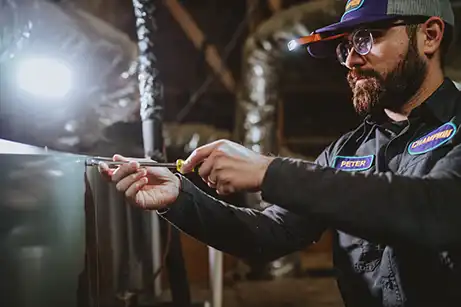
Two appointments called a “tune-up” may have different scopes. Before booking heating maintenance, ask these questions:
- Is this visit appropriate for my equipment? Share whether you have a furnace, heat pump, or electric heating system, plus its approximate age if you know it.
- What does the quoted price include? Ask about inspection, cleaning, filter replacement, and any diagnostic charges.
- Will I receive the findings? Request a clear explanation of what looks normal, what needs attention, and what can be monitored.
- How are repairs handled? Ask for the repair scope and price before authorizing work beyond maintenance.
A useful visit should leave you understanding your system better. “Everything looks fine” is less helpful than knowing which components were checked and whether the technician noticed wear or airflow concerns.
What You Can Check Before the Appointment
Start with easy, accessible items. Check the filter and replace or clean it according to the system and filter instructions. Keep return grilles and supply registers clear of furniture. Make sure the technician can reach the indoor equipment, thermostat, and outdoor unit without moving stored boxes.
Write down comfort problems by room and time of day. For example, “the back bedroom stays cool after the rest of the house warms up” gives the technician more to work with than “the heat feels weak.” Uneven temperatures can involve ducts, airflow, insulation, or controls; a tune-up alone may not resolve every cause.
If the thermostat schedule no longer matches your household, ask about settings during the visit. Heat pump controls can behave differently from furnace controls, so avoid assuming that a large temperature setback is right for every system.
When You Need Heater Repair Instead of a Tune-Up
Tell the scheduling team about an existing problem instead of booking it as routine maintenance. A system that will not heat, repeatedly shuts off, trips a breaker, or makes a new grinding noise needs evaluation. Sharing the symptoms helps the team arrange the right visit.
Schedule heater repair if you already have a performance issue. Maintenance helps identify developing concerns, but it does not guarantee that every breakdown can be prevented or replace a diagnosis.
Heater Tune-Up FAQs
Do I need heating maintenance if Austin has a mild winter?
Yes. A short heating season does not tell you whether the system’s controls, airflow, or heating components are working correctly. Follow the manufacturer’s service schedule even when you use the heat less often.
Does an AC checkup cover the heating system?
Not necessarily. Some components are shared, but a cooling visit may not include furnace combustion checks or a heat pump’s heating-mode operation. Review the previous service report and ask what remains to be checked.
Will a tune-up lower my utility bill?
Correcting dirty components, airflow restrictions, or control problems may help efficiency. Savings depend on the system’s condition, weather, usage, and the rest of the home. A specific reduction cannot be promised without evaluating those factors.
Should I join a maintenance plan?
A plan can help organize recurring service. Compare the visit schedule, covered equipment, exclusions, and current benefits with your needs. See Champion’s maintenance membership for details.
Get Your Austin Heating System Ready
Whether your home uses a furnace or a heat pump, start with a visit that fits the equipment. Champion Cooling, Heating & Plumbing helps Austin-area homeowners maintain their heating systems and address problems before they become a cold-night disruption.
Request heating service or call (512) 575-4377. Tell us what type of system you have and whether you are scheduling a tune-up or need help with an existing issue.