
Austin’s summer doesn’t end in August. It hangs on into October, and by the time the first cool front finally rolls through, your home has spent four or five months fighting triple-digit heat. Your AC has run nearly nonstop. Your attic has been baking. The clay soil under your foundation has been drying out and shifting.
Most fall checklists jump straight to “get your heater ready.” That matters, but in Austin, fall prep should start with a different question: what did this summer do to your home? This guide walks you through checking for summer wear first, then getting your home ready for cooler weather, cedar season, and the occasional hard freeze.
What an Austin Summer Does to Your Home
Long stretches of extreme heat put stress on systems in ways homeowners don’t always notice right away:
- Your AC runs 10 to 12 hours a day for months, wearing down capacitors, motors, and coils.
- Your ductwork sits in an attic that can climb well past 130 degrees, which dries out tape and seals.
- Your plumbing deals with shifting clay soil, which can stress pipes under the slab.
- Your water heater keeps building up mineral sediment from Austin’s hard water.
Small problems that start in July often show up in October or November. Catching them now costs less than finding them on a cold night.
Step 1: Check What the Heat Did to Your Cooling System
Look for Signs of Summer Wear
Pay attention to your AC during these last warm weeks. Warning signs include:
- The system runs longer than it used to and still struggles to cool
- Short cycling, where it turns on and off every few minutes
- New buzzing, clicking, or grinding sounds from the outdoor unit
- Ice on the refrigerant lines or indoor coil
- Water pooling around the indoor unit
Any of these can point to a part that wore out over the summer. Ice or poor cooling can also mean a problem with your evaporator coils. If you notice them, schedule AC repair now. Your system will sit mostly idle over the winter, and a weak part won’t fix itself before next summer.
Schedule a Post-Season AC Checkup
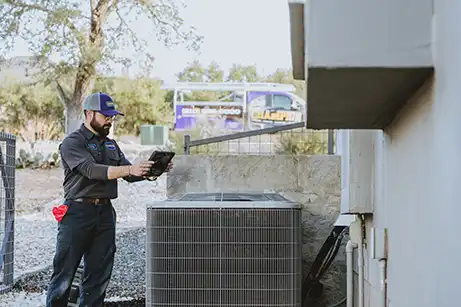
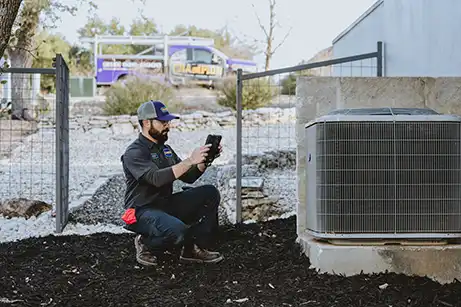
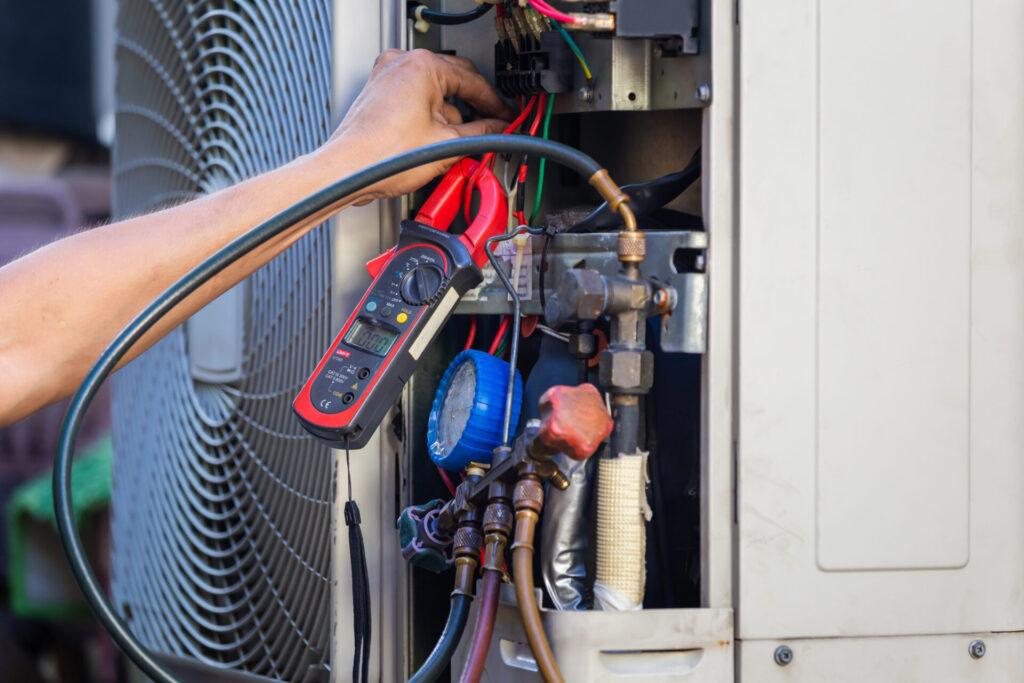
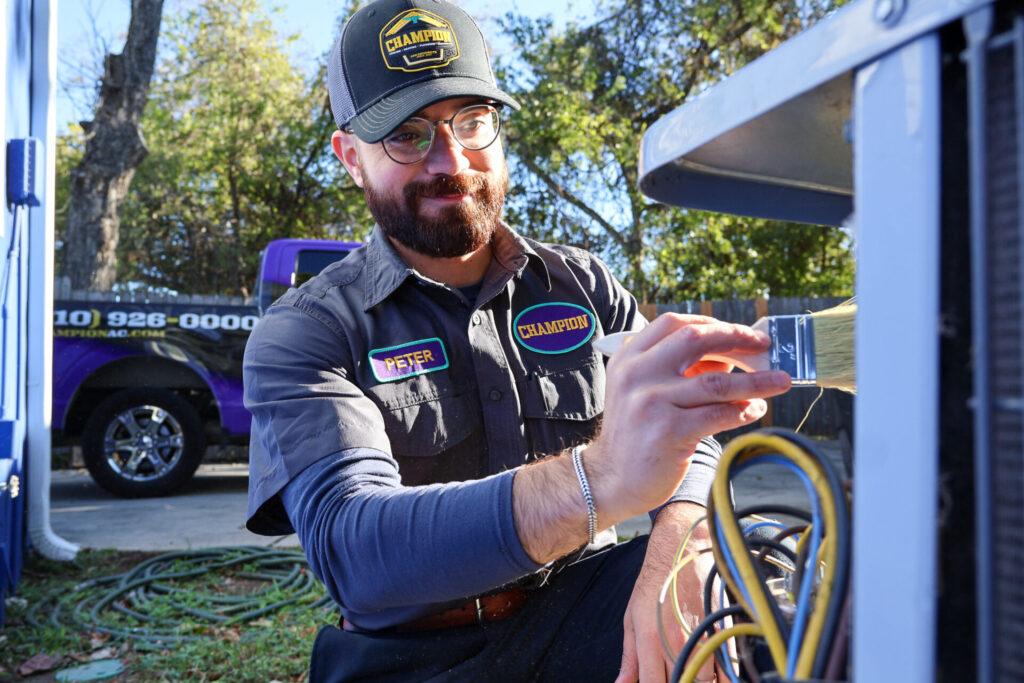
A fall AC maintenance visit is a great way to see how your system held up. A technician can clean the coils, test the electrical parts, and check refrigerant levels. Any wear gets fixed on your schedule instead of during the first heat wave next May. For more on what Austin heat does to your system, see our Austin summer AC guide.
Inspect the Ducts in Your Attic
Months of attic heat can loosen duct connections and break down old tape and sealant. Leaky ducts waste cooled air in summer and heated air in winter. They also pull dusty attic air into your living space.
Signs of duct trouble include rooms that never get comfortable, more dust than usual, and higher energy bills. Learn how to test your ducts for leaks, or have our team inspect them. We handle air duct repair and replacement as well as duct cleaning before heating season starts.
Step 2: Check Your Plumbing for Heat and Drought Damage
Watch for Slab Leak Warning Signs
Much of the Austin area sits on expansive clay soil. It shrinks during hot, dry months and swells again when fall rains return. All that movement can stress the pipes running under your foundation.
Watch for these warning signs:
- A water bill that jumps for no clear reason
- Warm or damp spots on your floors
- The sound of running water when everything is off
- New cracks in walls, floors, or tile
Learn more about what causes slab leaks. If something seems off, our water leak detection service can find the source without tearing up your floors, and we handle slab leak repair when needed.
Give Your Water Heater Some Attention
Austin’s hard water leaves minerals in the bottom of your tank. Over time, that sediment cuts efficiency, causes rumbling or popping sounds, and shortens the heater’s life. A yearly flush in the fall helps your water heater handle winter demand, when incoming water is colder and showers run hotter.
Not sure how much life your tank has left? Read about water heater life expectancy. If yours is showing its age, we offer water heater repair and installation. A water softener can also protect your water heater and fixtures from future buildup.
Step 3: Switch Your Home Over to Heating
Book a Heating Tune-Up
Your heater has been sitting unused since spring. A heating maintenance visit cleans the system, tests safety controls, and makes sure everything starts the way it should. It’s much easier to schedule now than after the first cold front, when heating calls pick up across Central Texas.
Notice weak airflow, strange noises, or a heater that won’t stay on? Book heater repair before you need to rely on it.

Don’t Panic About the First-Run Smell
The first time your heater runs each fall, you may notice a light burning smell. That’s usually dust burning off the heating elements, and it should fade within an hour. If the smell is strong or doesn’t go away, turn the system off. Our post on why your heater smells like burning explains when it’s normal and when to call.
Heat Pump Owners: Your System Never Got a Break
A heat pump cools your home all summer and heats it all winter, so it never really rests. That makes a fall checkup even more important. A technician will check the reversing valve and defrost controls so the switch to heat mode goes smoothly.
Update Your Thermostat Settings
Fall in Austin can swing from a 50-degree morning to an 85-degree afternoon. Setting a schedule saves energy and keeps you from flipping between heat and cool all day. If your thermostat is older or hard to program, a smart thermostat upgrade can handle the swings for you.
Check Carbon Monoxide Safety
If your home has a gas furnace, water heater, or stove, test every carbon monoxide detector before heating season. Learn more about carbon monoxide and central heat. If you smell gas, leave the house and call for help right away. Our licensed plumbers handle gas line repair and inspection.
Step 4: Get Ahead of Cedar Fever Season
Austin is famous for cedar fever. Mountain cedar pollen typically peaks from December through February, and it hits hard. The best time to prepare is before it starts.
- Replace your air filter before December. Compare options in our guide to HEPA vs. MERV filters.
- Keep windows closed on high-pollen days.
- Consider whole-home air purification.
Champion offers several indoor air quality options for allergy season, including the REME HALO and Air Scrubber Plus systems and the Dust Free whole-home air purifier.
Step 5: Plan Ahead for Freezing Weather
Hard freezes don’t happen every winter in Austin, but when they do, homes that aren’t ready can suffer burst pipes and failed equipment. A little prep in the fall goes a long way:
- Know where your main water shutoff is and make sure it turns
- Wrap exposed pipes in the attic, garage, and exterior walls
- Buy insulated covers for outdoor faucets now, before stores sell out
For a full freeze plan, read how to protect your home from freezing.
Quick Fall Prep Checklist for Austin Homeowners
- Watch your AC for signs of summer wear
- Schedule a post-season AC checkup
- Inspect attic ductwork for leaks
- Look for slab leak warning signs
- Flush your water heater
- Book a heating tune-up
- Program your thermostat for fall swings
- Test carbon monoxide detectors
- Replace your air filter before cedar season
- Prep pipes and outdoor faucets for a freeze
Frequently Asked Questions
When should I schedule fall maintenance in Austin?
October and early November are ideal. The summer rush is over, and your heating system gets checked before the first real cold front.
Should I still get my AC checked if summer is over?
Yes. Fall is the best time to fix wear from the summer. Parts are easier to schedule, and your system will be ready when the heat returns.
Can Austin’s clay soil really cause plumbing problems?
It can. Clay soil shrinks in dry heat and swells when it rains. That movement can put stress on pipes under your slab, which is why slab leaks are common in Central Texas.
Is there an easier way to keep up with seasonal maintenance?
Yes. Our maintenance membership includes seasonal tune-ups and member perks, so your system gets checked every spring and fall without you having to remember.
Schedule Your Fall Checkup With Champion
Austin summers are tough on every system in your home. Champion Cooling, Heating & Plumbing can help you find what the heat left behind and get your home ready for winter, all with one call.
We proudly serve Austin, Round Rock, Cedar Park, Pflugerville, Kyle, and communities across Central Texas. Call (512) 575-4377 or schedule service online to book your fall visit.